
Why mandarins are picky eaters
Mandarins, also sold as mandarin goby or mandarin dragonets, are small, slow fish that spend the day picking tiny crustaceans off rock and sand. They are known as fussy feeders, and many rely on live pods as the backbone of their diet.
That is general reef keeping knowledge rather than a result from our own tanks, and individual fish differ. Some learn to accept other foods and some never do. We would not plan around the lucky ones. The safer assumption is that your mandarin needs a steady supply of live food, and that the tank has to keep producing it.
Two things follow from that. A mandarin does best in a system that already holds a good population of pods, so many reef keepers wait until the rockwork has matured before adding one. And whatever you feed from the shop only tops up the supply. It does not replace a tank that makes pods of its own.
- Phytoplankton
- CopepodsSheltered by a hotel or crevices
- Mandarin gobyBrine shrimp and fresh copepods as top ups
Live copepods
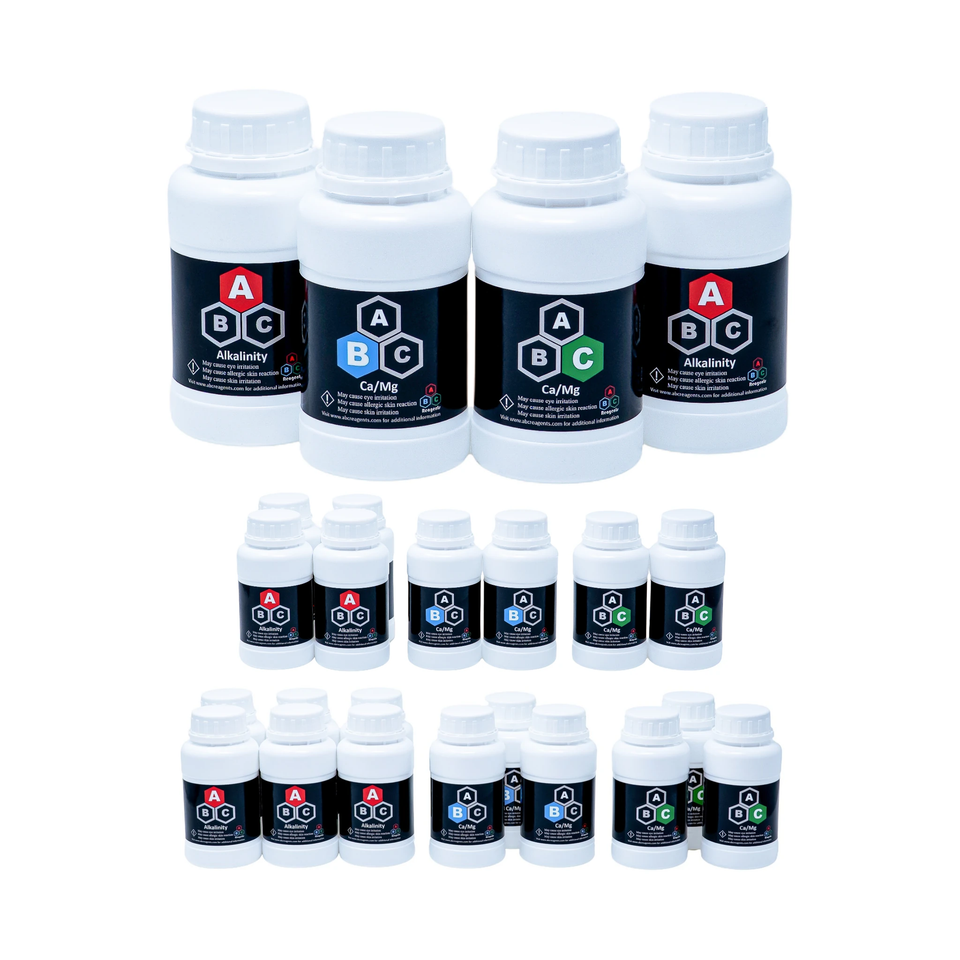
Copepods are the food a mandarin is built to pick at, and our product page lists them as essential for pod dependent species. Ours are cultured in house in sterilised natural seawater and fed on our own live nannochloropsis phytoplankton.
They come in a 250ml pouch. Add them at lights out with the flow pumps off for 30 minutes, placing them near rock crevices. It is normally safe to add the full pouch, and we recommend using it within 1 week. A little live phytoplankton goes in with them so they arrive in good condition.
The crevices matter for a mandarin tank. Pods released near cover have a chance to settle and breed, while pods dropped into open water are eaten fast. Our full method is in how to grow copepods.
You can buy live marine copepods as a one off top up or repeat the pouch whenever the tank needs more. We do not set a quantity or a schedule for a mandarin, because that depends on the size of the tank and the other fish in it.
Live baby brine shrimp
Live baby brine shrimp are a good live food for picky eaters such as the mandarin goby and younger copperband butterflyfish. Corals and small fry take them too.
Ours are cultured in sterilised natural seawater from the Jurassic Coast, with a little of our live phytoplankton in the culture, which tints it pale green. You can pour the culture straight into the tank, or pass it through a sieve first to separate the shrimp from the salt water. The phytoplankton is beneficial to most saltwater systems, so there is no need to remove it.
Keep them in the fridge from the day they arrive and use them within 1 week of buying.
They are live, so they suit a planned feed better than a stockpile. We suggest you adjust the amount to your own reef and the fish you are feeding, since we do not give set quantities.
They are a different job from copepods. Brine shrimp are a feed you add and the fish clears, while copepods are the start of a population that can keep going. Full details are on the live baby brine shrimp page.
Keeping a pod population going
A mandarin can eat pods faster than a tank breeds them if nothing supports the supply. Shelter, food and fresh stock work together, and the table shows where each of our products sits.
| Option | What it does | Handling |
|---|---|---|
| Live marine copepods, 250ml | Seeds or tops up the pod population | Add at lights out, pumps off for 30 minutes, use within 1 week |
| Live baby brine shrimp, 250ml | A live feed for picky eaters | Refrigerate, pour in or sieve first, use within 1 week |
| Pod hotel | Shelters pods so more survive to breed | Fit the media, place in sump or tank |
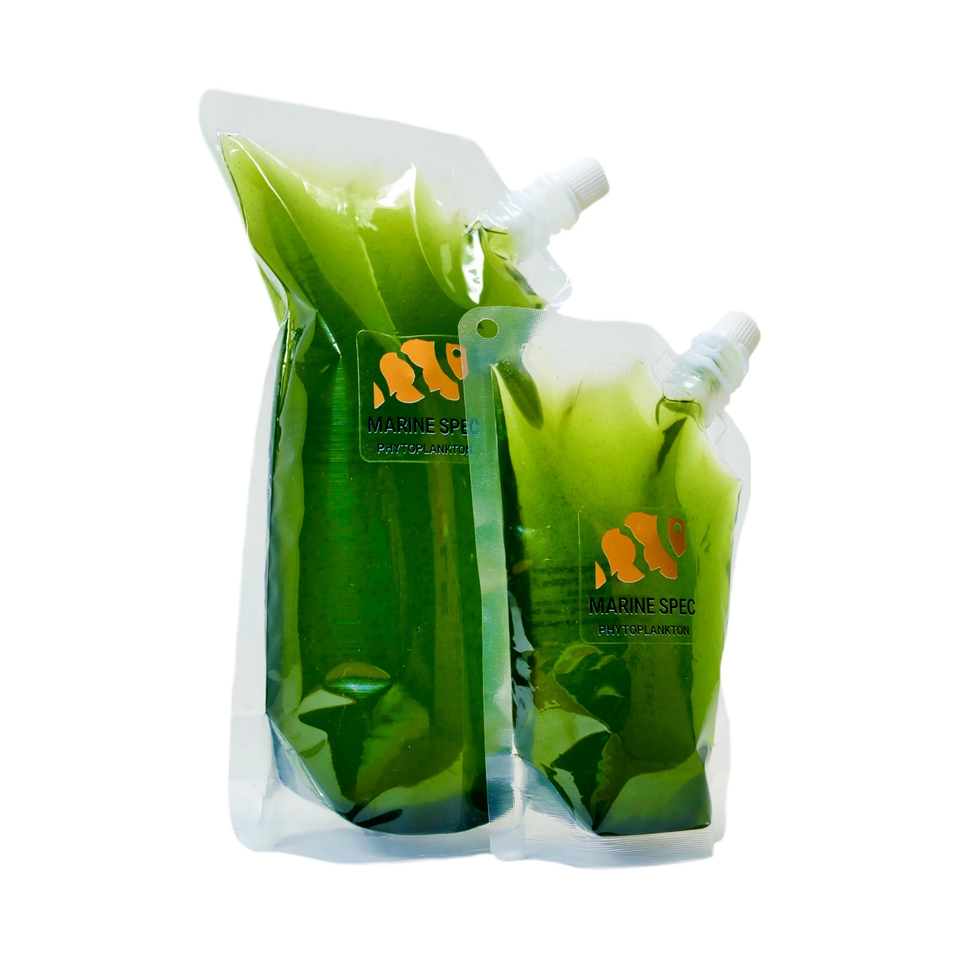
| Live phytoplankton | Feeds the pods | About 5ml per 45 litres, skimmer and UV off while dosing |
Build the supply before the mandarin arrives, then keep it going. That order gives the fish a tank that already makes its own food, instead of one that depends on whatever you can add each week.
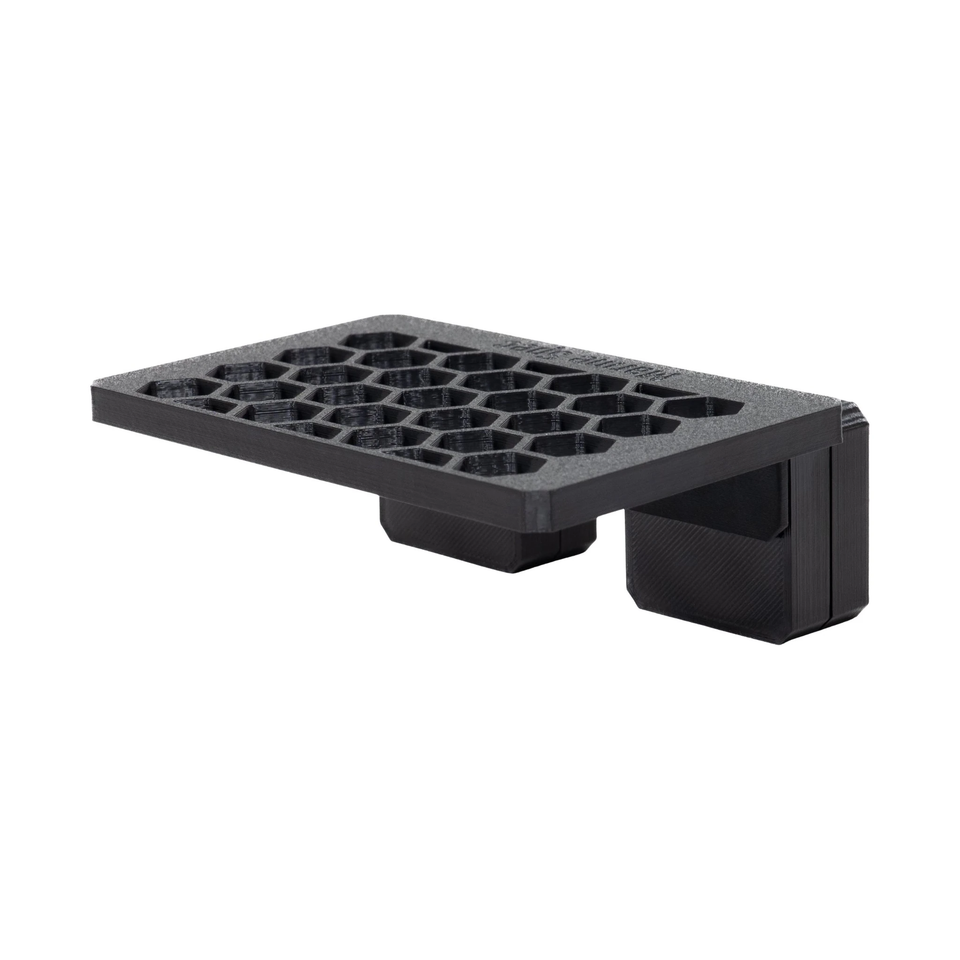
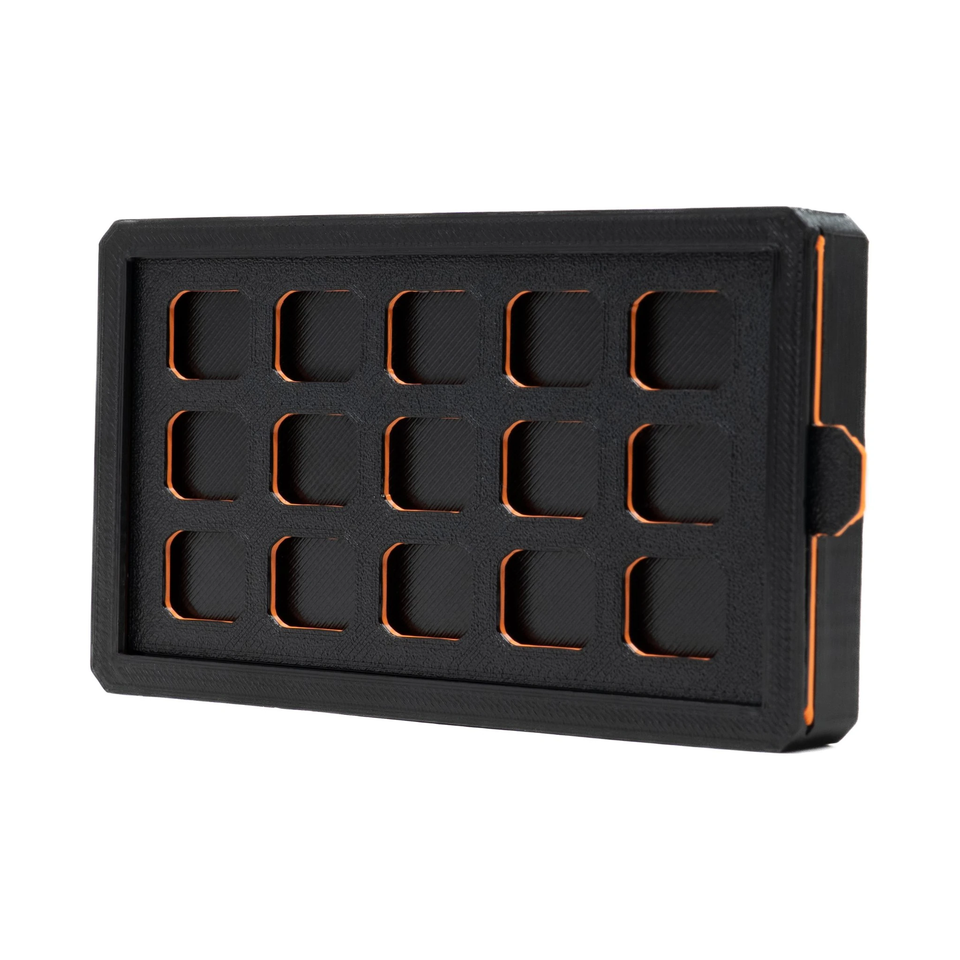
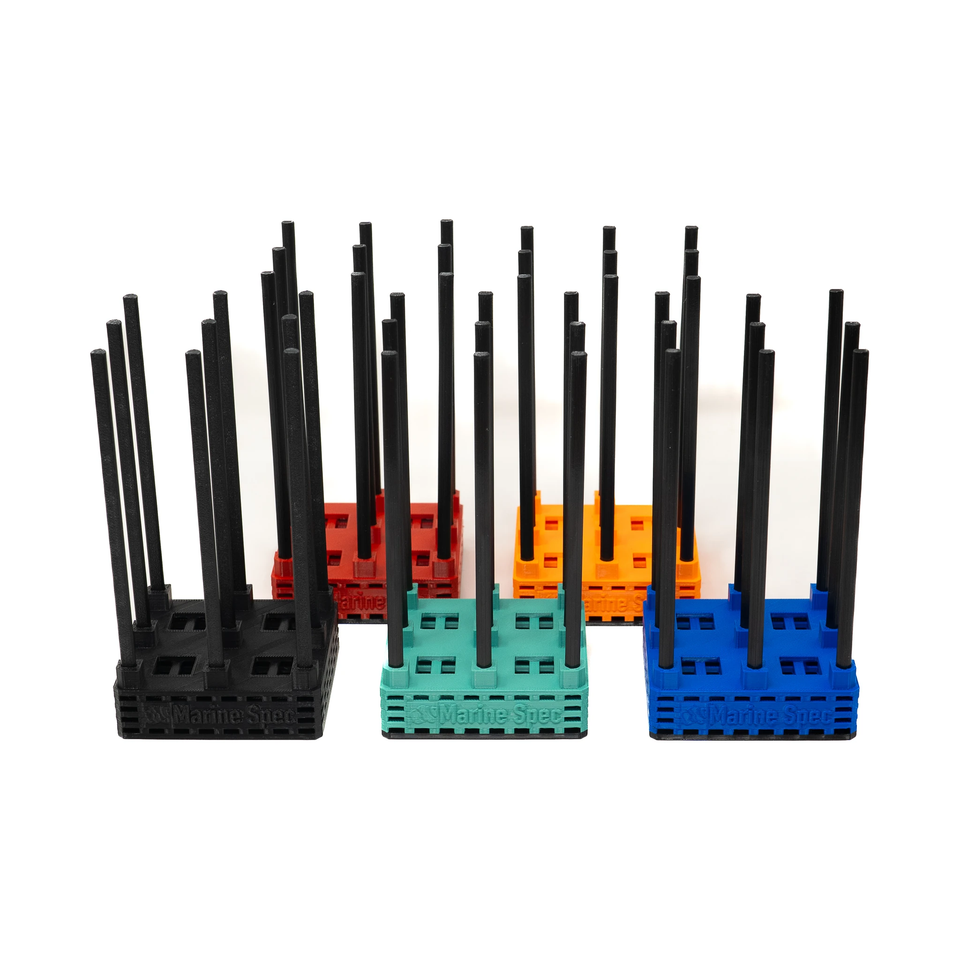
A pod hotel gives copepods and amphipods a protected place to multiply, with water still passing through the media. Our guide to pod hotels explains what to expect. Maxspect and Nano Tech are names of another company's products, and our holders are independent accessories that Maxspect does not make or endorse.
Feeding the population with live phytoplankton is covered in do copepods need phytoplankton.
Mistakes to avoid
Many mandarin problems begin before the fish arrives. These are the slips worth steering clear of.
- Adding a mandarin to a tank with few or no pods and hoping it will cope.
- Keeping it with fast eaters that reach every piece of food first.
- Stocking up on live food. It suits a planned feed within its 1 week window.
- Dosing phytoplankton with the skimmer and UV left running, so the pods get nothing.
- Assuming the fish is fine because it looks busy. A hollow looking belly suggests it is not getting enough.
Watch the fish over several weeks rather than a day, and ask for advice from a retailer or care sheet written for your own species if you are unsure. We can say what our products are for. We cannot promise how a particular mandarin will behave.
If you are comparing live foods across your whole tank, the live foods collection lists all 3 of ours.