
Seed the tank at lights out
The method on our live copepod product page is the place to start. Add the pods once the lights are off, so the fish are not watching while the copepods look for cover.
- Wait until lights out.
- Turn the flow pumps off for 30 minutes.
- Pour the copepods in near rock crevices, where they can slip out of sight.
- Switch the pumps back on when the 30 minutes are up.
The pause matters. It gives the pods a quiet half hour to settle before the flow can carry them off towards the overflow or a pump intake.
It is normally safe to add the full contents of the pouch. Copepods often settle at the bottom in transit, so a sparse looking top layer is nothing to worry about. A little live phytoplankton goes into each pouch before it leaves us, which helps the pods arrive in good condition. Use the pouch within 1 week.
If you run a pod hotel, pour some in close to it. Our live marine copepods come in a 250ml pouch.
- PhytoplanktonDosed with skimmer and UV off
- CopepodsShelter in rock crevices or a pod hotel
- Young spread through the tank
- Fish feed on pods
Feed them live phytoplankton
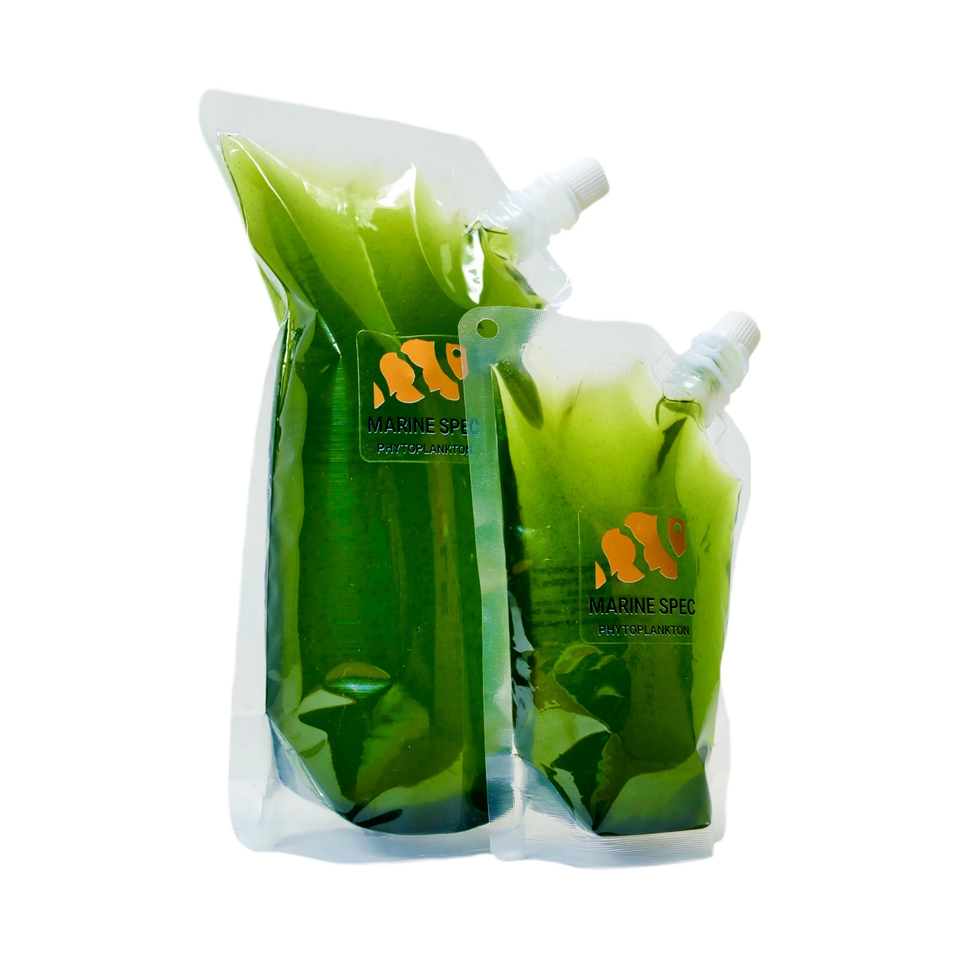
A pod population can only grow as fast as its food allows. Copepods eat phytoplankton, and the ones we sell are cultured in house on our own live nannochloropsis, so the two suit each other well.
Our starting dose is about 5ml per 45 litres of tank water, in the morning or evening. A 180 litre system would begin at 20ml, which is the same sum scaled up.
Adjust from there to suit your reef, because every tank takes it differently. Many reef keepers dose smaller amounts several times a week rather than 1 big dose, because it keeps the water clearer. The phytoplankton dosing guide has a table by tank size.
A skimmer and a UV steriliser will strip phytoplankton out of the water before anything can eat it, so switch both off temporarily while you dose.
Our instructions give no time for this. Many reef keepers leave a skimmer off for a few hours, and the right gap depends on your own equipment.
Copepods also pick at bacteria and detritus. A tank scrubbed spotless may feed them less than one with a natural film on the rock, and our guide on what copepods eat goes through the options.
Give them somewhere to shelter
Pods that sit on open rock get picked off quickly in a tank with plenty of fish. Crevices in the rockwork help, and so does cover in a sump, such as macroalgae or rubble. That is general reef keeping practice rather than a measured result for any one tank.
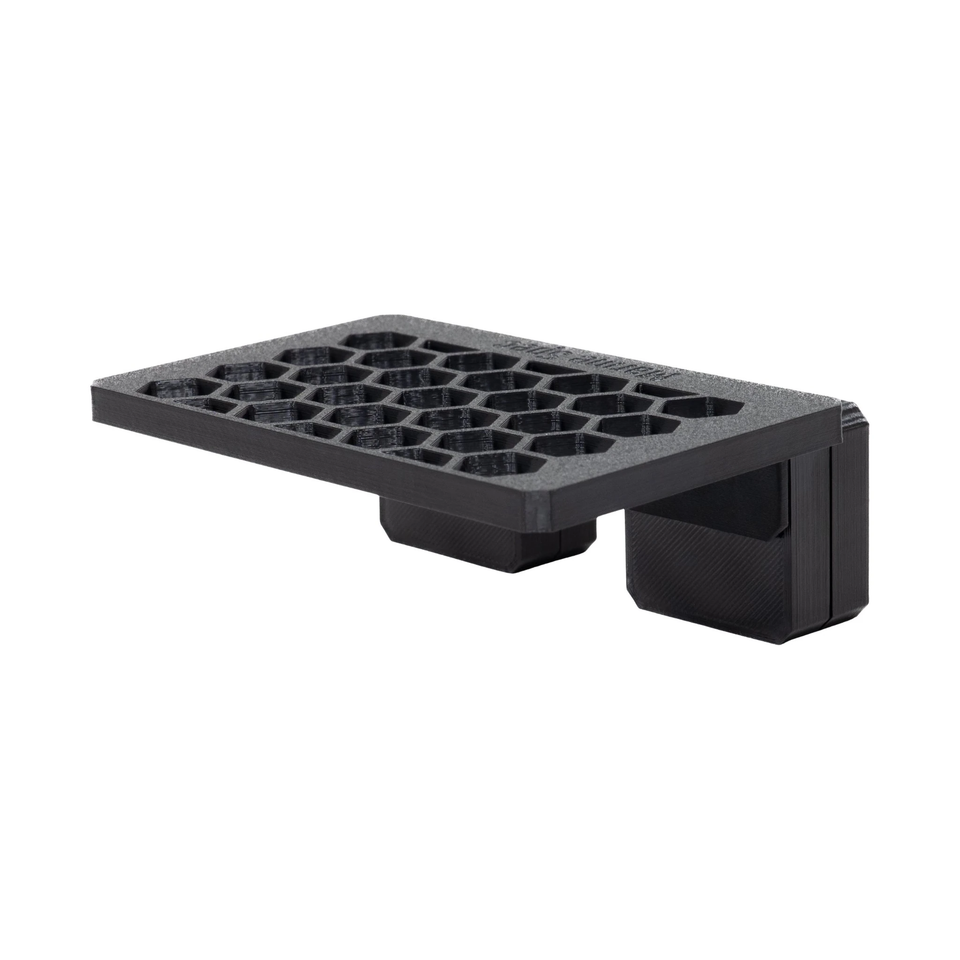
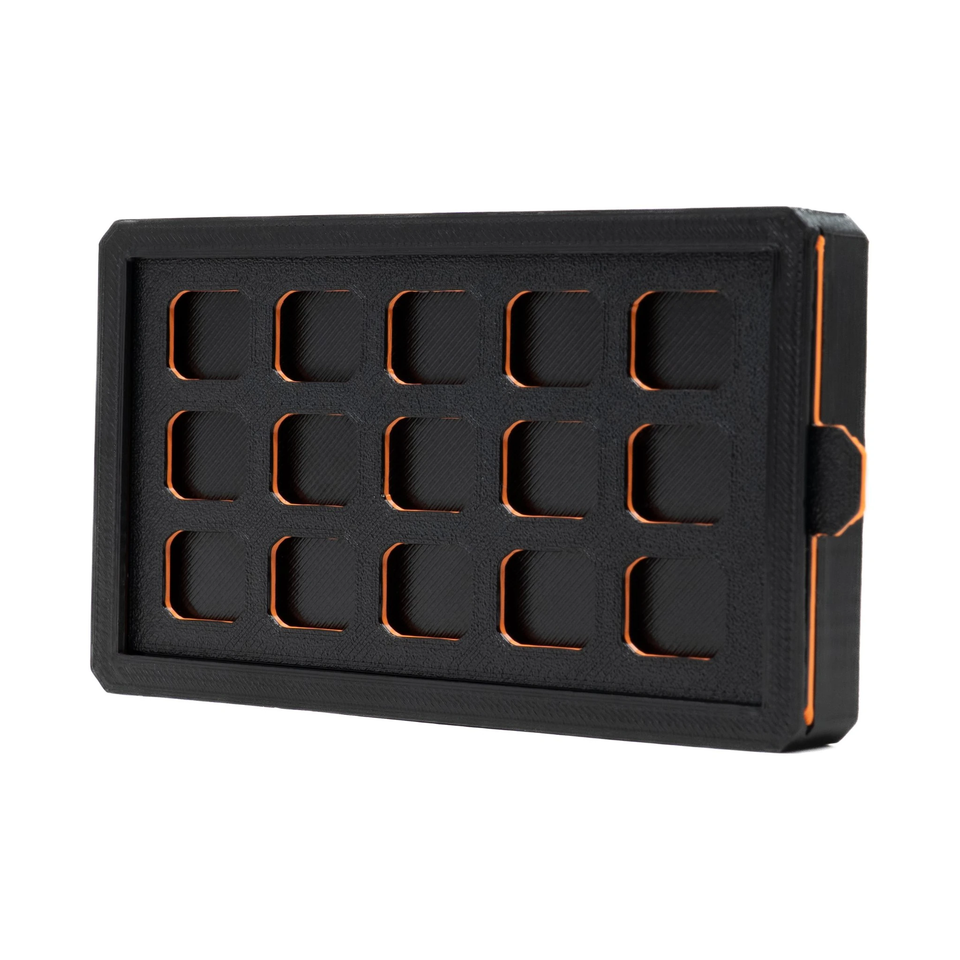
A pod hotel adds a protected space on purpose. It has gaps small enough for copepods and amphipods to hide in, while water still moves through the media beside it.
Our holders are made around Maxspect Nano Tech media, and once a population is established the crustaceans may feed on the bacteria and detritus living in that media.
A hotel shelters pods. It does not create them, so you still need to seed it.
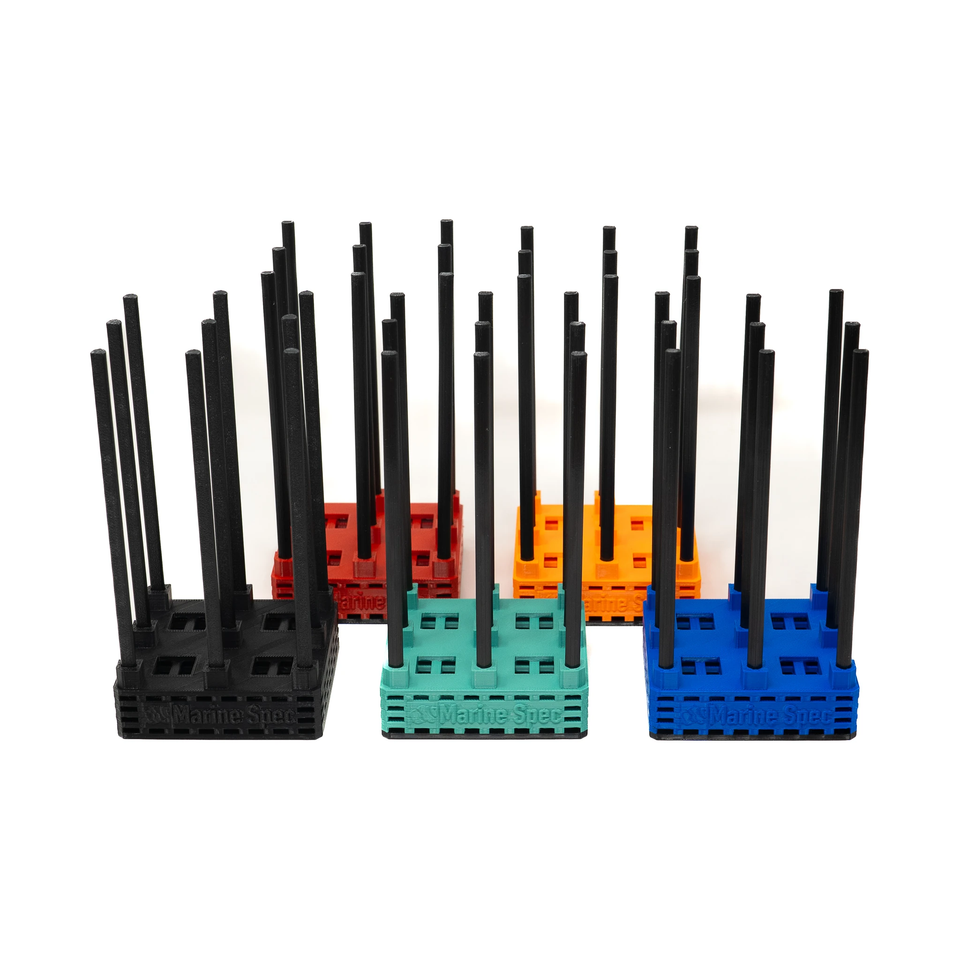
You can see the 3 holders in the pod hotels collection, and do copepod hotels work covers what to expect from one. Maxspect and Nano Tech are names of another company's products. Our holders are independent accessories designed and 3D printed by Marine Spec, and they are not made or endorsed by Maxspect.
What holds a population back
When pod numbers stall, the cause is usually one of a short list. This table sets out the common ones and a sensible first move for each.
| Cause | Why it matters | First move |
|---|---|---|
| Hungry fish | Many fish pick pods off rock and glass, so losses can match the growth. | Seed at lights out, give pods cover, and top up with another pouch later. |
| Skimmer or UV left on | Both remove phytoplankton before pods can eat it. | Switch them off temporarily when you dose. |
| Too little food | Pods with nothing to eat dwindle, however good the shelter. | Dose small amounts of live phytoplankton regularly. |
| Strong flow over open rock | Copepods are tiny, and hard flow sweeps them about. | Offer sheltered spots, such as crevices or a hotel. |
Your livestock and filtration decide which line applies to you. Predators are the hard one, because you cannot remove them without removing fish, so shelter and top ups do most of the work there. The feeding causes are easier to fix, since they come down to timing and dose.
What to expect, without a timetable
Do not expect a swarm on day 1. Copepods are small and mostly seen after dark, so a torch held to the glass and around the rockwork once the lights are out is the usual way to check.
We have not published a timeline for how quickly a population builds, and we would rather say so than guess. Results vary with the fish you keep and the way your system filters. A tank with a pod eating fish will use them up faster than a tank without one.
Over time you may find pods in other parts of the tank as well, which suggests the young are spreading out from where you seeded.
Pods are also easy to miss among a lot of rockwork, so one quiet night with no sightings proves little.
A pod count that rises, dips and recovers is normal. If you see none for a while, add another pouch, keep the food steady and look again after lights out. Jot down what you dosed and when, which makes it far easier to spot what changed.