
Ask 5 reef keepers how often they feed nori and you will get 5 answers. The sensible middle ground is below, along with the reason loose sheets cause so much trouble and what we did about it.
How often to feed nori to tangs
A little nori daily is a common place to begin, and some reef keepers feed it a few times a week instead. Steady grazing suits tangs better than one large feed, because they are herbivores that spend much of the day picking at algae. Nori offered a little at a time copies that, and it keeps the water cleaner than a big feed that half the fish ignore.
Nori is a supplement, not a complete diet. If your tang already grazes algae in the tank, it may need less. A tank with plenty of rockwork algae will change the answer, and so will a tang that is new and still finding its feet.
Whatever you choose, keep it regular. Fish learn the routine quickly, and a tang that knows when food appears will be waiting for it, which makes it easier to see how much is being eaten.
- Slide the tray open and lay the nori inside
- Close the tray so the grid sits over the sheet
- Place the feeder with the outer magnet on the dry side
- Slide it where you can watch the fish feed
How much nori to offer
Offer a piece your fish can finish in a few hours and take out what is left. If sheets are still there the next day, offer less. Dried nori swells in water, so a small piece goes further than it looks. A piece that looks tiny when you load it can fill the tray once it has soaked for an hour.
Watch who eats first. Faster fish can crowd out a shy tang, so check the one you bought it for is getting some. Placing the feeder at a height your tang already swims at can help, and so can feeding at a time when the busier fish are already full.
If you keep several grazers together, the amount needs to rise with the number of mouths, but build up slowly. It is easier to add a little more tomorrow than to fish a soggy sheet out of the sump tonight.
A simple nori routine to start with
- Pick a regular time, ideally when you are home to watch the fish feed.
- Load a small piece of nori into the feeder.
- Check the feeder in the evening and take out whatever is left.
- Next day, offer a little more if it was all eaten, or a little less if some was left.
Over the first week you will see how much your fish gets through, and you can settle on a routine that suits your tank. Do not worry if the first few days are untidy while the fish work out what the feeder is. Signs you have the amount about right:
- Most of the piece is gone within a few hours.
- Your fish comes to the feeder at feeding time, which suggests it has learned where food appears.
- No stray bits of nori turn up in the overflow or on the sump floor.
Why loose nori makes a mess
A loose sheet floats, tears and spreads. Pieces can end up in the overflow, in the pump intake and in corners, where they rot. The tank looks untidy for an hour and the filter has more to deal with afterwards. Nori that has drifted out of sight is the kind you only find when the smell tells you.
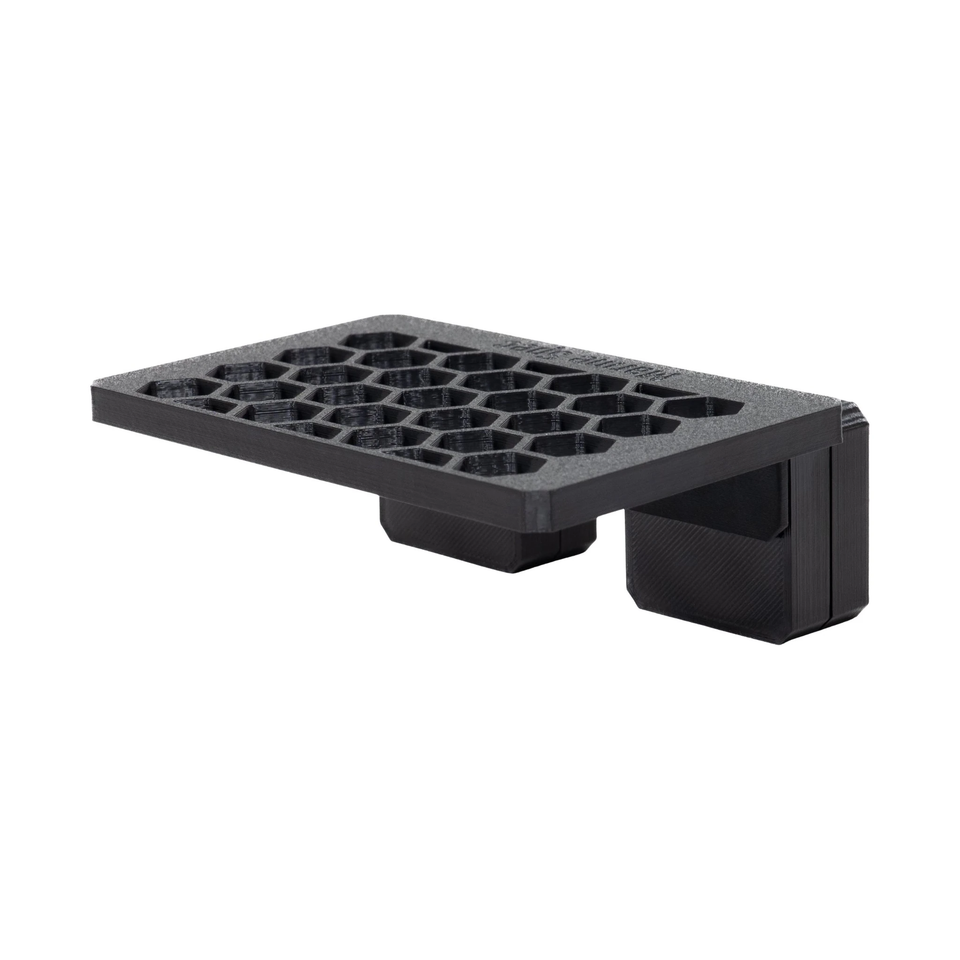
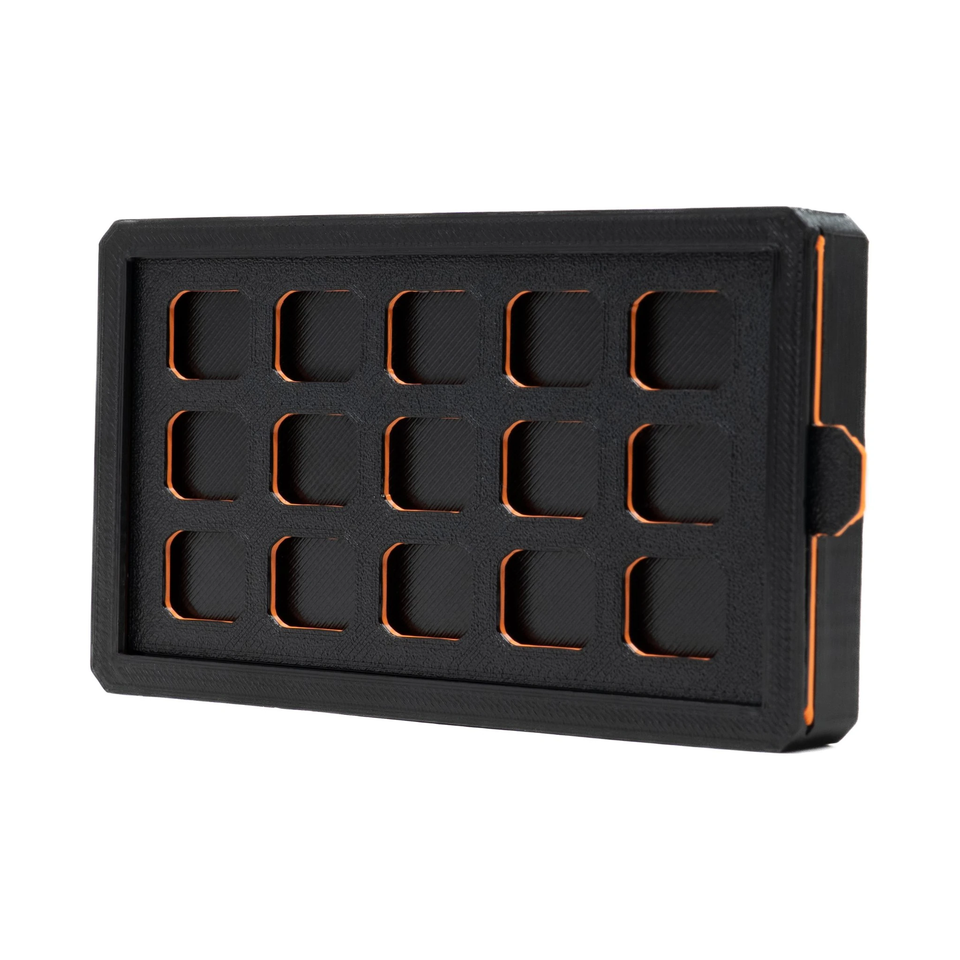
Reef keepers have solved this for years with clips and weights. We wanted something simpler that you can place anywhere on the glass, so we designed the Magnetic Nori Feeder. The feeder grid holds the sheet so large pieces do not break free and drift around the tank. Fish still graze through the openings, so they get the food and the glass stays tidy.
If you are weighing up a clip against a feeder, our guide to nori clip vs nori feeder sets out the differences.

How the magnetic nori feeder works and which magnet to pick
The Magnetic Nori Feeder has a sliding tray that holds the nori and a feeding grid that keeps it in place while fish graze through the openings.
- Slide the tray open and lay the nori inside.
- Close the tray so the grid sits over the sheet.
- Place the feeder in the tank, with the outer magnet on the dry side of the glass.
- Slide it to where you can watch the fish feed.
The feeder is L111mm x W60mm x H13mm. The magnet in the water is sealed in a capsule, which our guide to magnet safety explains in full. Measure your glass before you choose a magnet.
| Magnet | Suitable glass thickness | Price |
|---|---|---|
| Standard | Up to 14mm | £28.99 |
| Strong | Up to 19mm | £32.99 |
If your glass is thicker than 19mm, the feeder is not suitable.
Which feeder for which fish
Use the nori feeder for herbivorous fish such as tangs. For finicky fish that want frozen food, such as copperband butterflyfish, we make the Magnetic Butterfly Feeder.
Its front cap comes off so you can fill it with frozen cubes, mussels or mastic, and a small vent hole lets air out and lets you syringe in defrosted food. It is L35mm x W36.5mm x H35mm, from £27.99, and takes standard magnets for glass up to 14mm or strong magnets for glass up to 20mm.
The openings suit the mouth shape of butterflyfish, which helps cut down food theft from faster tank mates.
If you keep a tang and a copperband in the same tank, you may want one of each. The nori feeder and the butterfly feeder do different jobs, so choose by what your fish will actually eat, not by which looks neater. Both are in the magnetic feeders collection.