
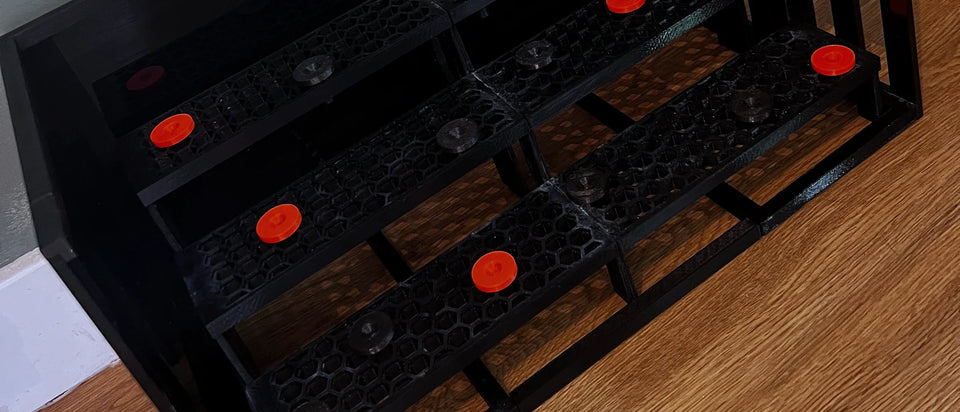

A good frag rack in a bad spot does not help a coral. Placement is the part that decides whether new frags settle in or sulk, and it is mostly a matter of thinking before you fit anything.
Where to start: the order to decide in
Work through placement in this order and the answer usually becomes obvious.
- What does the coral need? Light and flow differ between species, so find out before you pick a spot.
- Which rack are you using? A magnetic rack needs glass within the rating, a standing rack needs floor space.
- Can you reach it? You will feed, inspect and move frags often, so choose somewhere you can get to without stripping the tank.
- Is the outside of the glass clear? A magnetic rack needs room for the outer magnet, kept dry.
We give no light or flow numbers in this guide on purpose. Every system differs, and the figures that suit one coral can harm another. The decision is the useful part, so that is what we describe. If you keep a mix of corals, expect different frags to settle in different places, and that is normal.
- What does the coral need?
- Which rack are you using?
- Can you reach it?
- Is the outside of the glass clear?
Check what the coral needs first
Follow the needs of the species you keep. Some corals want strong light and strong flow, others want less of each, and a frag that is moved into the wrong spot will tell you quickly by closing up or fading.
Look for care notes from the seller or from an established reef keeping reference for that species. Match the coral to the conditions in your tank, not the other way round. If you are not sure, start a little further from the strongest flow and the brightest light, and move closer once the frag is open and settled.
Strong flow from a pump outlet can knock a small frag about, and a rack that sits in the full stream is a common mistake.
Look at where your own flow runs before you choose a spot. A pinch of food dropped near the outlet will show you the direction of flow in a few seconds.
Magnetic rack on the glass: choosing the spot
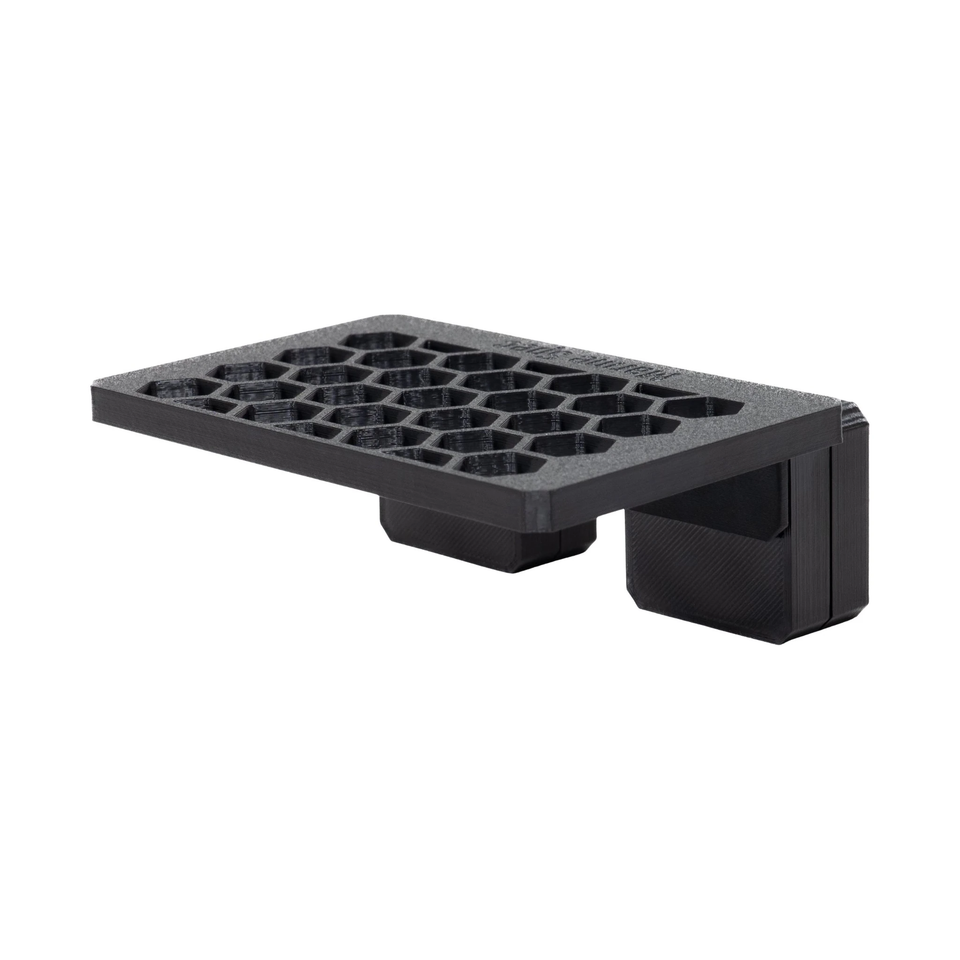
Our magnetic frag rack is mounted by magnet, so the rack can sit where you want it and be repositioned as corals grow or your plans change. That freedom is the point, so use it. Try a position, live with it for a few days and move it if needed.
Pick a spot where the glass is within the magnet rating, which varies by size and strength. Our guide on which magnet strength suits your glass has the table.
Think about the view, too. A rack at a height you can see from your usual seat gets looked at more, and a frag you look at often is one you will notice going wrong early. Also make sure you can get to the outside of the glass, because the outer magnet must stay on the dry side.
Leave a gap around the rack for the corals to grow into, and for your hand to reach in. A rack jammed against a pump or a heater is hard to work around.

Standing rack on the tank floor
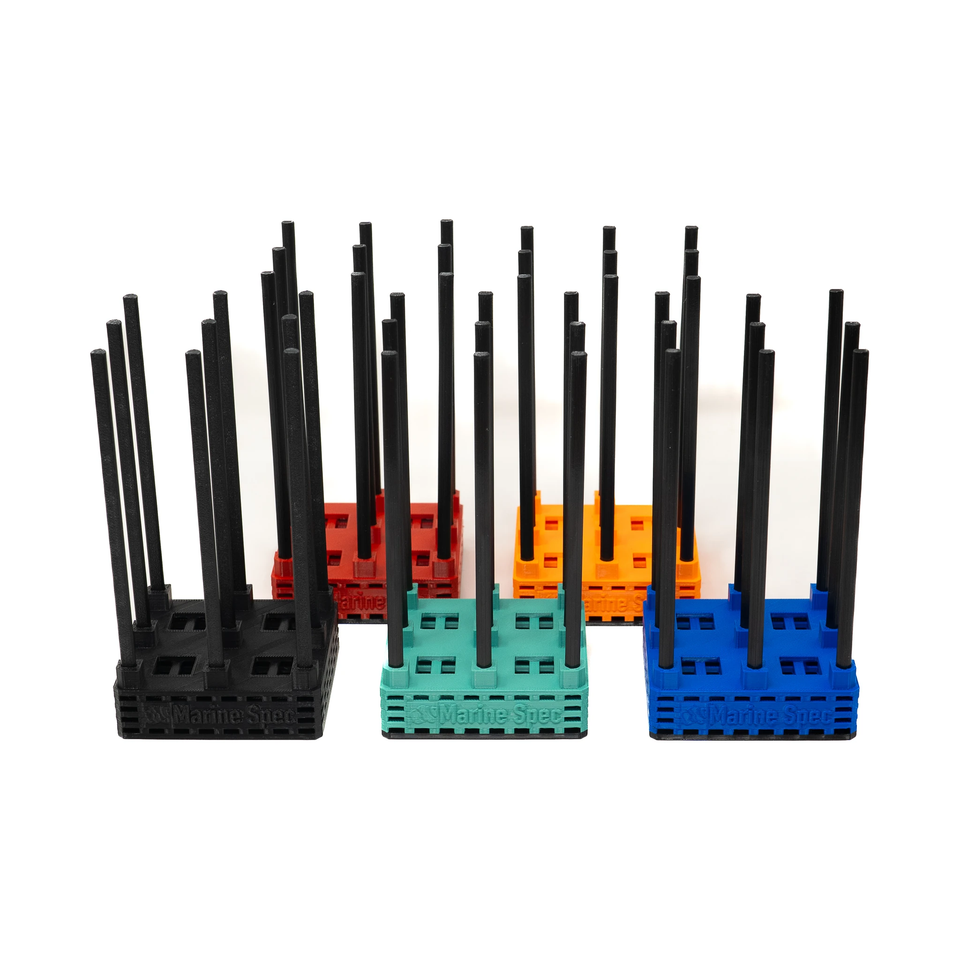
The standing frag rack V2 sits at the bottom of the aquarium and is there to help new corals acclimate. It needs no glass and no magnets, so you can place it anywhere on the tank floor that suits the coral.
Look for a spot where the rack will stand steady and the corals have room. Think about the flow near the floor, which is often different from the flow higher up, and about the light that actually reaches the bottom of your tank. A frag that gets plenty of light at the surface may get far less down there.
If you are unsure, watch how the frags behave over the first days and adjust.
Keep it clear of where you work. A standing rack in the middle of your cleaning route will get knocked, and a rack that gets bumped can tip a frag onto its side.
Fitting a magnetic rack
- Decide the spot, using the order above.
- Check the glass thickness against the rating for your magnet strength.
- A clean surface gives the best grip, so wipe the glass where the rack will sit, inside and out.
- Put the rack in the tank and the outer magnet on the dry side of the glass.
- Slide the rack into position.
- Check it again after a day or so to make sure it has not slipped.
Slide it slowly the first time, so you can feel the grip. If it drags or slips, stop and check the rating before you carry on.
Keep a note of where the rack was before you move it, so you can go back if the new spot is worse.
Mark the glass position with a small piece of tape on the outside if it helps. Our guide to magnet safety explains the sealed capsule and why the outer magnet is dry use only.
Watching and moving frags
Look at the frags every day for the first week. Open polyps, good colour and steady growth are encouraging. Closed polyps, fading or tissue pulling back are signs to change something. A photo each day on your phone makes small changes easier to spot than memory does.
Change one thing at a time. If a frag looks unhappy, move it a short way and look again the next day. Moving it and changing the lighting in the same week leaves you with no idea which helped.
A rack you can reposition makes this easy, which is why a magnetic rack suits corals that need a few tries to find the right place.
For the basics, see what a frag rack is, and for help picking between types read magnetic vs standing vs egg crate. All our racks are in the frag racks collection.